
Why a Single Purity Number Is Not the Whole Story
A research-focused guide to why HPLC purity should be read beside identity, water content, counterions, peptide content, and lot context.
A purity number is often the first value readers notice on peptide documentation. It is short, familiar, and easy to compare across listings. That convenience is also the problem. A single percentage can become a shortcut for a much larger analytical story, especially when it is copied into product language without the method, lot, chromatogram, identity record, water content, salt form, or peptide content that gives the number meaning.
For research-use-only materials, CRL uses purity as one documentation field, not a universal quality verdict. HPLC area percentage can be useful when it is tied to a stated method and a specific lot. It can show the relative chromatographic signal represented by the main peak in that run. It does not, by itself, prove molecular identity, net peptide content, counterion composition, moisture level, storage history, or every process-related impurity. Those questions require other records.
What the percentage usually represents
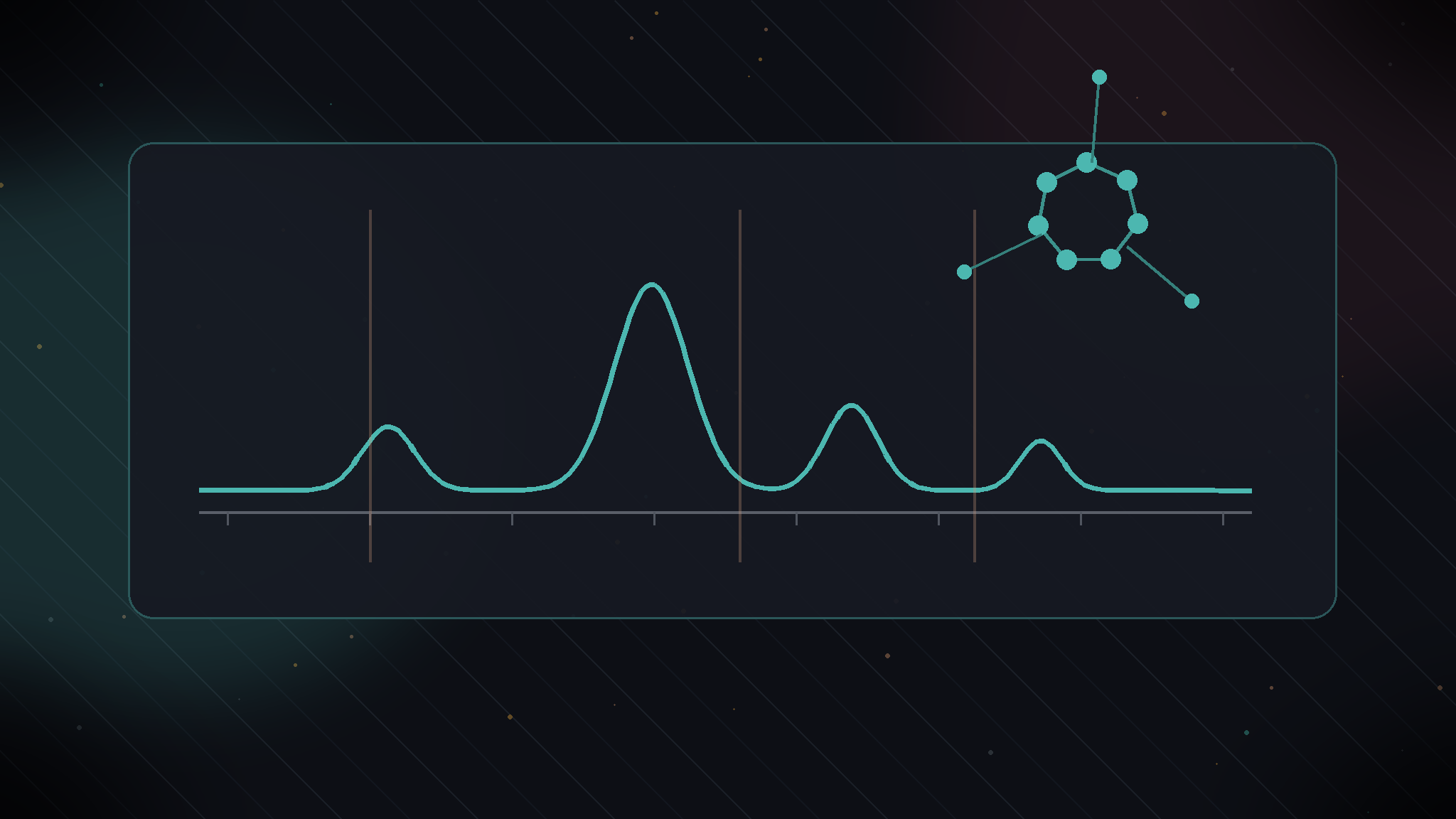
Most peptide Certificates of Analysis report purity from high-performance liquid chromatography, commonly abbreviated HPLC. In a typical reverse-phase method, a prepared sample passes through a column, components separate by retention behavior, and a detector records peaks over time. The reported percentage is usually an area percentage: the integrated area of the main peak compared with the total integrated area of detected peaks under that method.
That is valuable information, but it is narrower than many readers assume. The value depends on sample preparation, column chemistry, gradient, mobile phase, detector wavelength, integration settings, run time, and which species the detector can see. A clean-looking main peak under one method does not automatically answer every question about the material. It tells the reader how the sample behaved in that chromatographic system.
Purity is not the same as identity
The first boundary is identity. HPLC can separate and estimate relative signal areas, but the main peak still has to be connected to the intended molecule. Mass spectrometry helps with that question by comparing observed mass signals with theoretical molecular weight. A COA that includes both HPLC and MS is usually stronger than a summary that lists only a purity percentage, because the two methods answer different analytical questions.
Even then, identity documentation has limits. A basic mass result can support that the expected molecular species is present, but it is not the same as full sequence mapping in every case. The right reading is method-specific: HPLC describes relative chromatographic composition; MS supports molecular identity; additional methods may be needed for sequence-specific, salt-form, water-content, or impurity questions.
This is why CRL's Journal separates HPLC and mass spectrometry in earlier coverage. A lot can have a high chromatographic area percentage and still need identity confirmation. Conversely, a mass signal consistent with the expected molecule does not describe every related peak visible in a chromatogram. The documentation is strongest when the records are read together rather than collapsed into one sales-friendly number.
The cleanest analytical record separates what was measured, what was inferred, and which questions remain outside the method.
Mass contributors can change the interpretation
A second boundary is composition by mass. HPLC purity is not the same as net peptide content. Synthetic peptide material may include the target peptide, associated counterions, residual moisture, salts, and trace process-related species. The gross material in a vial is therefore not always equivalent to target peptide free base by mass. That difference is why peptide documentation may include separate fields for purity, peptide content, water content, salt form, and residual counterion information.
Residual TFA is a useful example. Trifluoroacetate can remain associated with peptide material because TFA is used in established synthesis, cleavage, deprotection, and purification workflows. If a COA reports counterion content or peptide content, that record should be read as composition information tied to the lot and method. It should not be merged into the HPLC percentage or read as if the purity value already answered the composition question.
Lot context matters as much as the number
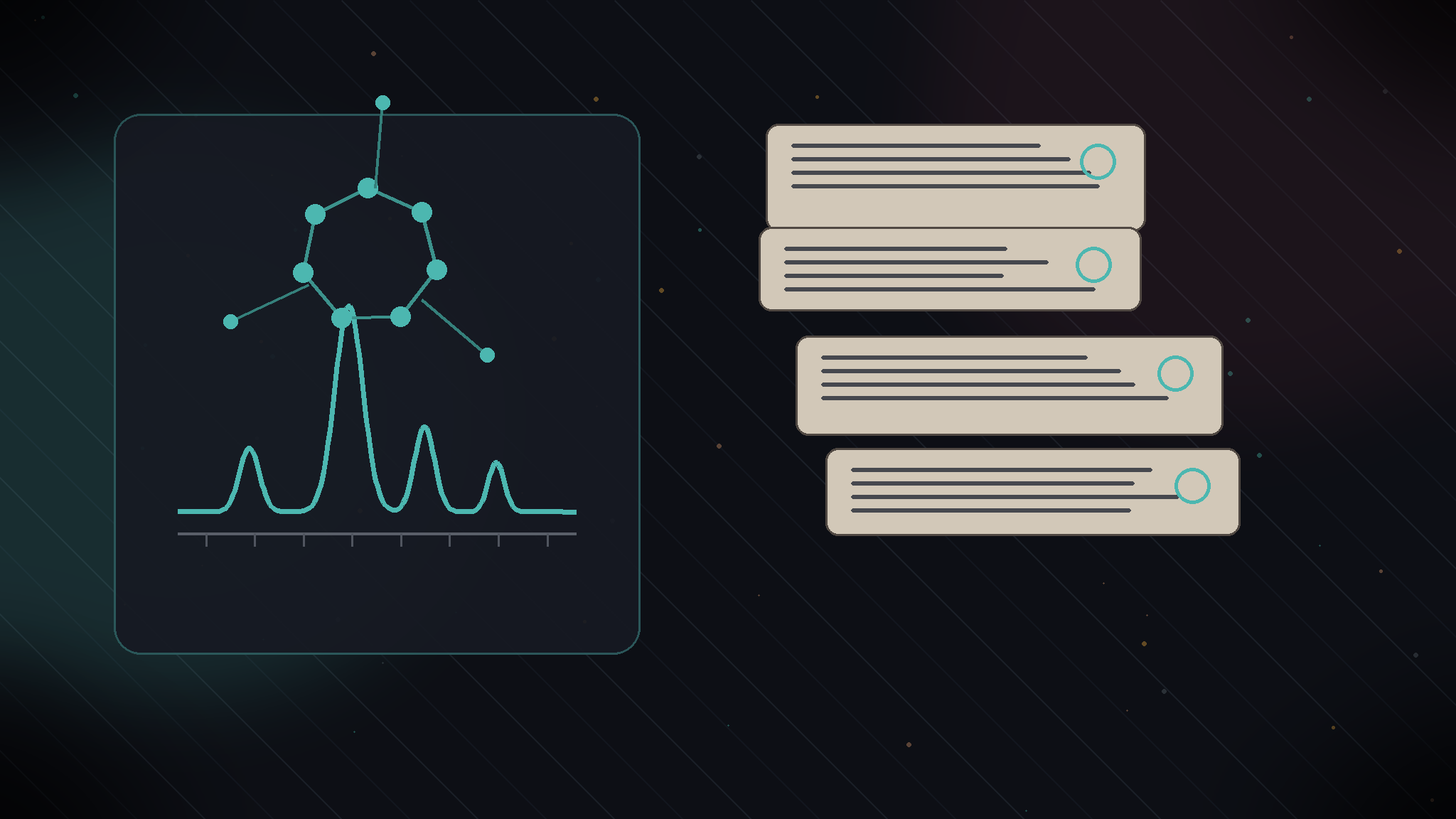
A purity value is only useful when it belongs to a specific lot. The COA, product label, receiving record, and inventory record should point to the same batch or lot identifier. If the percentage is copied from one lot to another, or presented without source labeling, the number loses much of its value. A manufacturer COA when available should be identified as manufacturer-provided documentation unless an independent result exists for the same lot and sample chain.
Lot context also prevents overbroad comparison language. One lot may have a reported HPLC area percentage, another may have additional water or counterion data, and another may include a different method package. Comparing only the headline purity value can hide those differences. Strong documentation review asks what was tested, who produced the record, which lot it applies to, which method was used, and what supporting data are available.
- HPLC purity usually reports relative peak area under a specific chromatographic method.
- Mass spectrometry supports identity, but it answers a different question from HPLC integration.
- Net peptide content, water content, and counterion information are composition fields, not purity synonyms.
- A lot-specific record is stronger than a detached percentage copied into general product language.
- Manufacturer documentation and independent analytical results should be labeled by source and lot.
Related Journal entries include HPLC vs. Mass Spectrometry, Understanding Residual TFA in Synthetic Peptides, How to Read a Peptide Certificate of Analysis, Lot Numbers, Batch Records, and Why Traceability Matters, and Why a Certificate of Analysis Alone Is Not Enough. Together, those articles define the same discipline: a single number can be useful, but only when the surrounding record explains what the number can and cannot support.
Research Use Only
This product is supplied strictly for laboratory research workflows. It is not offered for food, drug, cosmetic, veterinary, agricultural, or household use. By purchasing, the buyer represents they are a qualified researcher and accepts all responsibility for proper handling, storage, and lawful research use.