
Endotoxin Testing for Research Peptides: LAL Methodology Explained
A research-focused guide to what LAL endotoxin testing can report, how the method works, and why the result should not be confused with sterility or broader suitability claims.
Endotoxin testing is one of the more easily misunderstood quality topics in research peptide documentation. The term sounds like a broad safety screen, but the most common assay family answers a narrower analytical question: whether a sample preparation produces a measurable response associated with bacterial endotoxin under the conditions of the test.
For research-use-only materials, that distinction matters. An endotoxin result is a method-specific analytical data point. It does not establish sterility, biological suitability, storage stability, or fitness for any non-research application. It belongs in the same documentation category as HPLC purity, mass spectrometry identity, residual solvent analysis, and other lot-specific records: useful when interpreted correctly, misleading when turned into a broader claim.
What the LAL assay is designed to detect
LAL stands for Limulus amebocyte lysate, a reagent system historically derived from horseshoe crab blood cells and used to detect bacterial endotoxins. Endotoxins are lipopolysaccharide components associated with the outer membrane of Gram-negative bacteria. In analytical documentation, results are commonly reported in endotoxin units, often abbreviated EU, per unit of sample mass or volume.
The important boundary is that LAL is not a general contamination test. It is not designed to identify every microbial residue, every process impurity, or every foreign material that could appear in a research supply chain. It is a targeted assay family with a specific response pathway. A low or undetected endotoxin signal does not mean a sample is sterile, and it should not be represented as a universal cleanliness certificate.
Gel clot, turbidimetric, and chromogenic formats
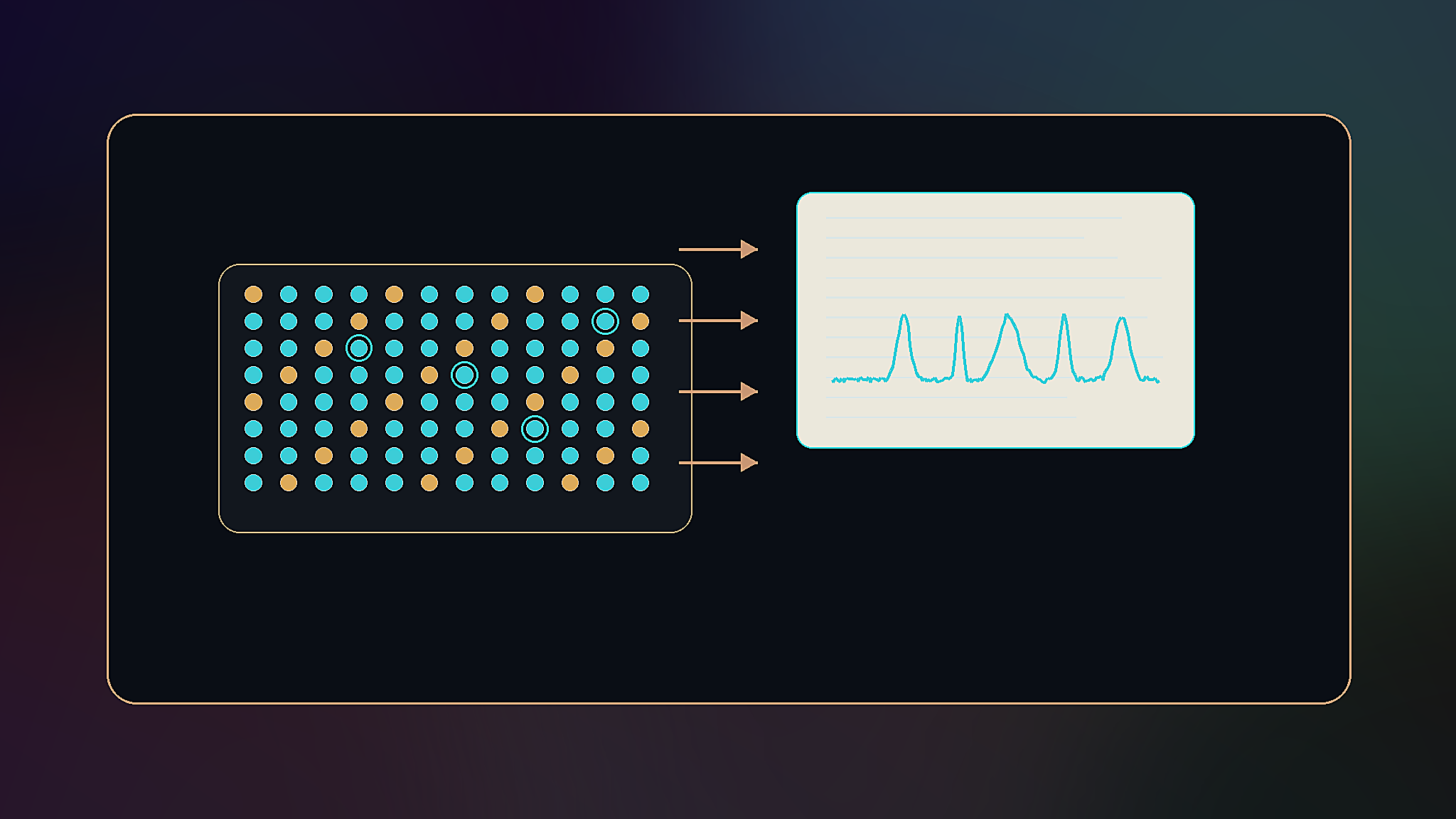
LAL testing is not a single visual format. Three common versions appear in laboratory workflows: gel clot, turbidimetric, and chromogenic. The gel clot method is qualitative or semi-quantitative; it evaluates whether clot formation occurs at or above a defined endotoxin threshold. Turbidimetric methods monitor cloudiness over time as the reaction proceeds. Chromogenic methods monitor color development produced by the reaction cascade.
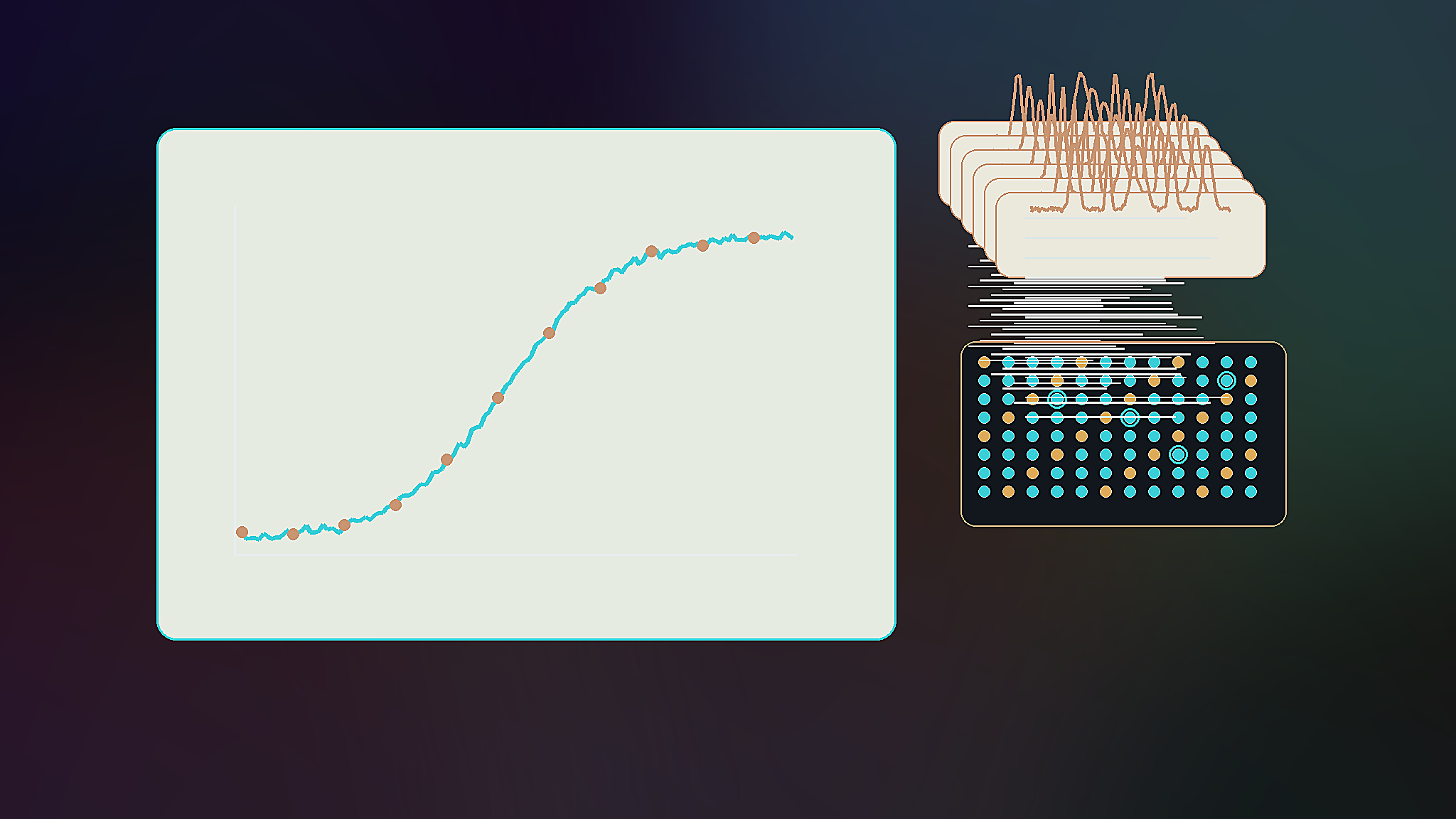
Each format has different instrumentation requirements, sensitivity ranges, interference controls, and reporting conventions. A useful report should identify the method used, the sample preparation, the standard curve or threshold, the dilution scheme, and whether inhibition or enhancement controls were acceptable. Without those details, an endotoxin number can look more precise than the underlying record actually supports.
Why peptide samples can require interference controls
Peptides and peptide-adjacent materials can complicate endotoxin testing because the sample matrix may interfere with the assay chemistry. A compound, counterion, buffer component, residual solvent, pH condition, or concentration effect can suppress or exaggerate the LAL response. That is why endotoxin reports often include dilution validation and spike recovery controls. These controls help show whether the assay can detect a known endotoxin challenge in the presence of the sample matrix.
This is also why a result should not be read in isolation from the method section. A report that gives only a final EU value but omits preparation and interference information is less informative than a report that shows how the sample was diluted, how the standard curve behaved, and whether the control recovery fell inside the laboratory's acceptance range.
How endotoxin testing fits into RUO documentation
For a research supplier, endotoxin testing is best understood as an additional documentation layer, not as a replacement for identity, purity, and chain-of-custody records. HPLC addresses relative chromatographic composition. Mass spectrometry supports molecular identity. Lot numbers and batch records connect the document to a specific production run. Endotoxin testing adds a targeted assay result for a specific class of bacterial component.
The same caution that applies to COAs applies here: the value of the document depends on traceability, method clarity, and honest limits. A result tied to a named lot, dated report, stated method, and documented controls carries more interpretive weight than a generic statement that a material was tested. Future CRL Journal posts on chain of custody and independent testing will return to this theme, because test results are only as useful as the records connecting them to the material being evaluated.
Endotoxin testing is a targeted analytical result, not a broad permission slip.
This product is supplied strictly for laboratory research workflows. It is not offered for food, drug, cosmetic, veterinary, agricultural, or household use. By purchasing, the buyer represents they are a qualified researcher and accepts all responsibility for proper handling, storage, and lawful research use.
Research Use Only
This product is supplied strictly for laboratory research workflows. It is not offered for food, drug, cosmetic, veterinary, agricultural, or household use. By purchasing, the buyer represents they are a qualified researcher and accepts all responsibility for proper handling, storage, and lawful research use.