
Lot Numbers, Batch Records, and Why Traceability Matters
Traceability connects a research compound, its documentation, and its handling history so a laboratory can evaluate records in context.
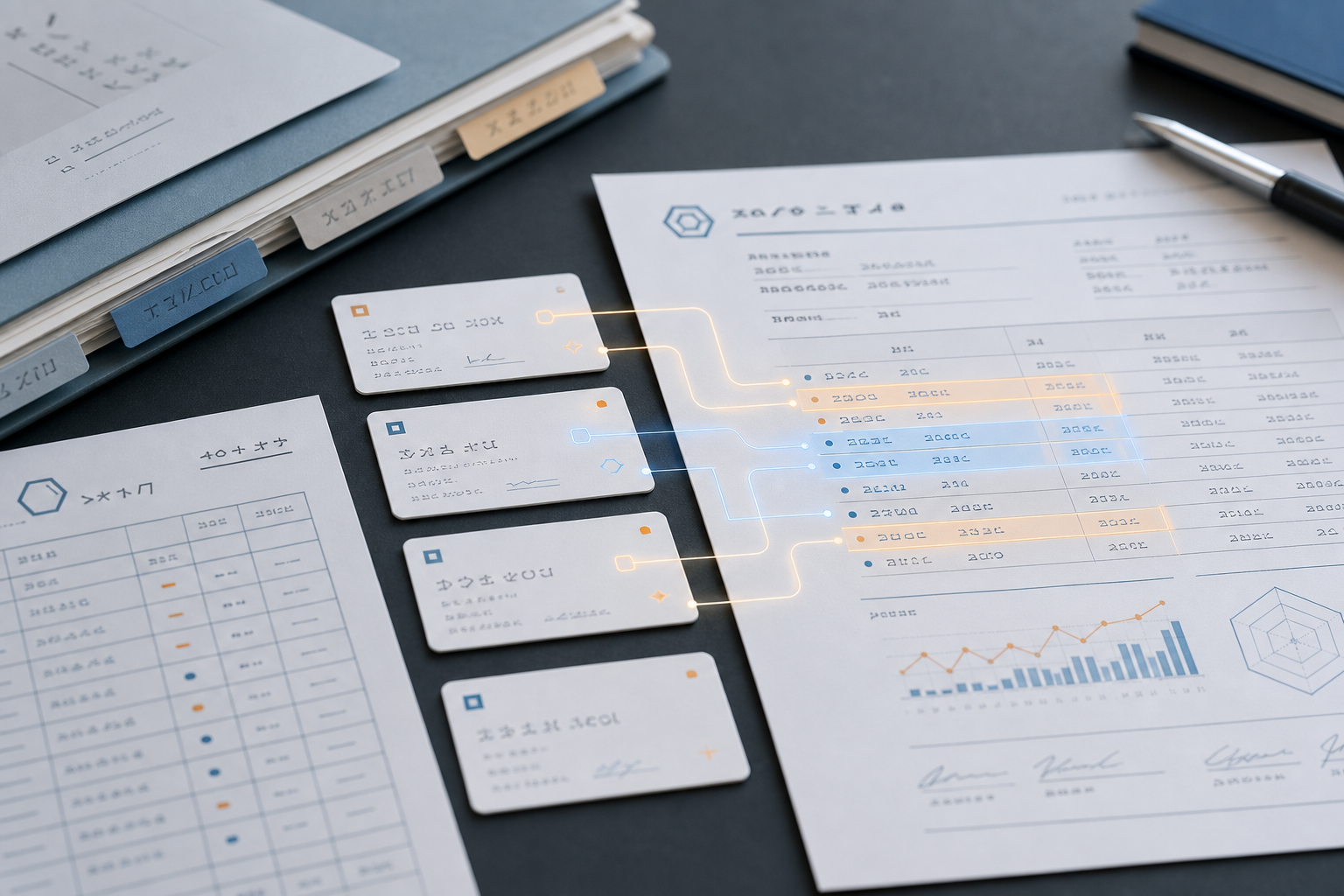
A lot number is a small piece of text carrying a large documentation burden. In research supply chains, it is the identifier that connects a physical vial or package to the production batch, the manufacturer Certificate of Analysis, receiving records, storage notes, and any later analytical review. Without that link, documentation becomes a loose collection of claims rather than a traceable record.
Traceability matters because analytical data is always contextual. A purity value, mass spectrometry result, or net peptide content statement only has meaning when it can be tied to the specific material being evaluated. If the identifier on the label, the identifier on the COA, and the identifier in the receiving log do not agree, the record should be considered unresolved until the discrepancy is explained.
What a lot number is supposed to do
A lot number is assigned to a defined manufacturing or packaging event. For synthetic peptides, that event may correspond to a synthesis batch, a purification batch, a filling or aliquoting run, or a supplier-side receiving batch, depending on how the manufacturer and distributor structure their records. The important point is not that every supplier uses identical terminology. The important point is that the identifier should consistently point back to a defined set of records.
In a clean documentation chain, the same lot or batch identifier appears on the label, the COA, the packing record, the receiving record, and the internal inventory record. If later testing is performed, the submission record and analytical report should preserve that same identifier or explicitly document any internal sample code used by the testing laboratory.
Batch records are broader than a COA
A Certificate of Analysis is usually the most visible document attached to a research compound, but it is not the only record that matters. A batch record can include synthesis notes, purification records, lyophilization records, fill counts, label controls, packaging notes, shipping records, receiving photographs, temperature observations, and disposition decisions. Most of those documents are not public-facing, yet their existence is what makes a supplier-side quality system auditable.
For a buyer reviewing research documentation, the practical question is whether the public-facing records appear internally consistent. Does the COA show the same compound name and lot number as the label? Does the reported sequence match the expected sequence? Do the HPLC and mass spectrometry sections describe methods that make sense for the compound class? Does the supplier distinguish between manufacturer documentation and any later supplier or independent testing?
This is where traceability connects directly to the earlier Journal discussions on COA literacy and COA limits. A COA can be formatted cleanly and still be weak evidence if it cannot be tied to the material in hand. Conversely, a modest manufacturer COA paired with matching labels, receiving records, and a clear chain-of-custody note may be more useful than a polished document with no traceable connection to a specific lot.

Common traceability breaks
Traceability problems are often mundane rather than dramatic. A supplier may relabel incoming material with an internal SKU while failing to preserve the original manufacturer batch number. A COA may list a batch code that differs by one character from the vial label. A distributor may combine inventory from multiple manufacturer lots under one storefront listing. A testing laboratory may assign an internal sample code without enough metadata to connect the result back to the submitted lot.
- Label and COA identifiers do not match exactly.
- A storefront SKU is presented as though it were a manufacturer lot number.
- Multiple lots are represented by one generic COA image.
- A later analytical report uses a sample code without a visible cross-reference to the supplier lot.
- Receiving or storage records omit the lot identifier, making inventory history difficult to reconstruct.
None of those issues automatically proves misconduct. They do, however, reduce the usefulness of the documentation. The more manual translation required to connect a vial, a COA, and a later record, the easier it becomes for honest mistakes to hide unresolved questions.
Traceability is not a marketing claim. It is the discipline of keeping identifiers attached to evidence.
How CRL will use traceability records
CRL's traceability posture is being built around conservative documentation language. Manufacturer COAs will be described as manufacturer documentation when available. Supplier-side records will be kept separate from manufacturer records. Independent analytical results, when they are available, should identify the submitted lot and preserve the chain between the physical sample and the analytical report.
That distinction matters. A searchable lot library is only useful if it avoids collapsing different kinds of evidence into one vague quality claim. Manufacturer COA, supplier receiving record, storage note, and independent test report each answer different questions. Keeping those categories separate helps researchers understand what has actually been documented and what has not.
The strongest version of this system is straightforward: every catalog item is tied to the lot currently being shipped, every lot has a visible documentation status, and every document is labeled according to its source. If a future lot lacks a document, that absence should be visible rather than smoothed over with generic language. If an independent result differs from manufacturer documentation, the discrepancy should be preserved in the record instead of hidden behind a summary.
Related Journal entries cover how to read a peptide Certificate of Analysis, why a COA alone is not enough, and what HPLC and mass spectrometry each report. Traceability is the connective tissue between those topics: it is how the document, the material, and the handling history remain tied to the same lot-specific record.
Research Use Only
This product is supplied strictly for laboratory research workflows. It is not offered for food, drug, cosmetic, veterinary, agricultural, or household use. By purchasing, the buyer represents they are a qualified researcher and accepts all responsibility for proper handling, storage, and lawful research use.