
Cold-Chain Logistics for Research Compounds
A research-focused look at how packaging, temperature exposure, and transit records shape the handling expectations for temperature-sensitive compounds.
Cold-chain logistics is the discipline of moving temperature-sensitive research materials through packing, carrier handling, receipt, and storage while controlling the risk of thermal exposure. For lyophilized research peptides and related compounds, cold-chain planning is not a claim about suitability for any downstream application. It is a documentation and handling practice intended to reduce avoidable stress during transit.
The key distinction is that shipping conditions and storage conditions are related but not identical. A supplier can choose insulated packaging, cold packs, short transit windows, and receipt procedures to reduce exposure during delivery. Those choices do not replace lot-specific analytical documentation, manufacturer guidance, or validated storage data. They simply narrow one practical source of variability between release from inventory and arrival at the receiving laboratory.
What cold chain actually controls
Cold-chain packaging is built around thermal mass and insulation. Cold packs absorb heat as they warm, while insulated liners slow heat exchange between the parcel and the outside environment. The combination is designed to buffer the shipment against ordinary carrier conditions, especially short periods in warm vehicles, sorting facilities, or receiving areas.
That buffer is finite. Its useful duration depends on pack-out design, starting temperature, parcel size, ambient conditions, carrier routing, and time in transit. A package that performs well on a one-day route in mild weather may not behave the same way during a multi-day delay or an extreme temperature event. Honest logistics language therefore describes controls and limitations rather than promising a universal outcome.
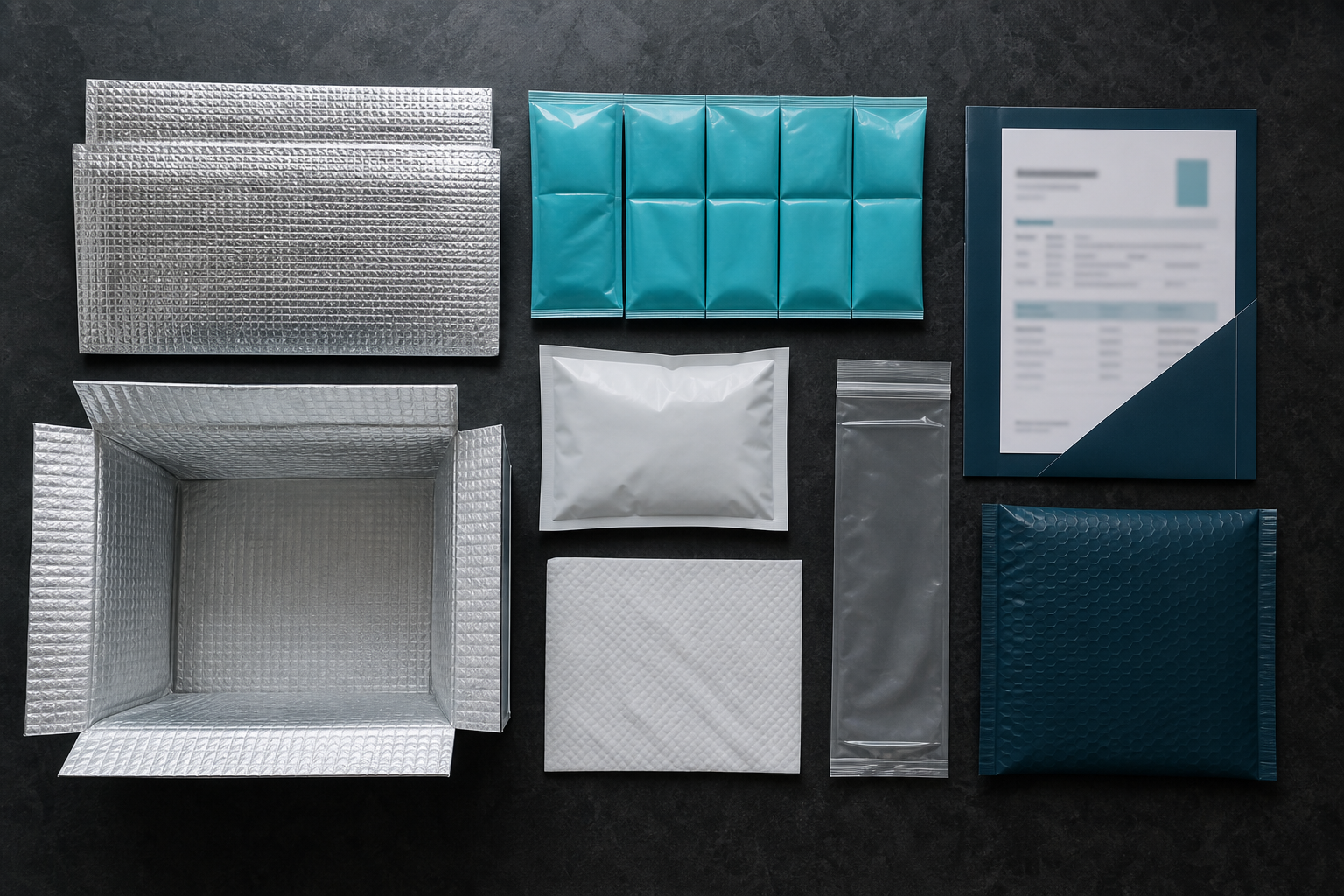
Transit exposure is a risk profile, not a single number
The phrase temperature controlled can sound more precise than it really is. In parcel shipping, temperature exposure is a profile over time. A shipment may remain cold for most of its route, warm briefly during a handoff, cool again in a facility, and then sit at ambient conditions after delivery. The total risk is shaped by the full exposure history rather than a single arrival temperature.
For research suppliers, the practical response is to reduce preventable exposure points. Examples include shipping early in the week, avoiding known carrier blackout periods, using service levels that shorten transit time, and selecting packaging appropriate to the compound class and season. Those controls belong in operating procedures because they are repeatable decisions, not after-the-fact explanations.
Temperature indicators and data loggers can add context when a shipment requires tighter documentation. A simple threshold indicator may show that a parcel crossed a specified temperature. A logger can record a time-stamped profile. Neither instrument proves the analytical state of the material by itself, but each can make the logistics record more transparent when the research context justifies that added control.
Cold chain is not a magic property of a box. It is a controlled sequence of packing choices, transit decisions, and receiving discipline.
Receiving procedures matter
A cold-chain process does not end when the carrier marks a parcel delivered. The receiving laboratory still needs a clear intake routine: confirm the parcel identity, check the exterior condition, document any visible damage, move temperature-sensitive material into appropriate storage, and preserve the paperwork that links the shipment to its lot records.
Receipt timing is especially important. A package left unopened in a warm receiving area can accumulate exposure after the controlled portion of transit is over. The supplier may have managed pack-out and carrier selection correctly, while the final handoff still becomes the weakest point in the handling chain. That is why research logistics should be discussed as a shared documentation process between supplier and receiving site.
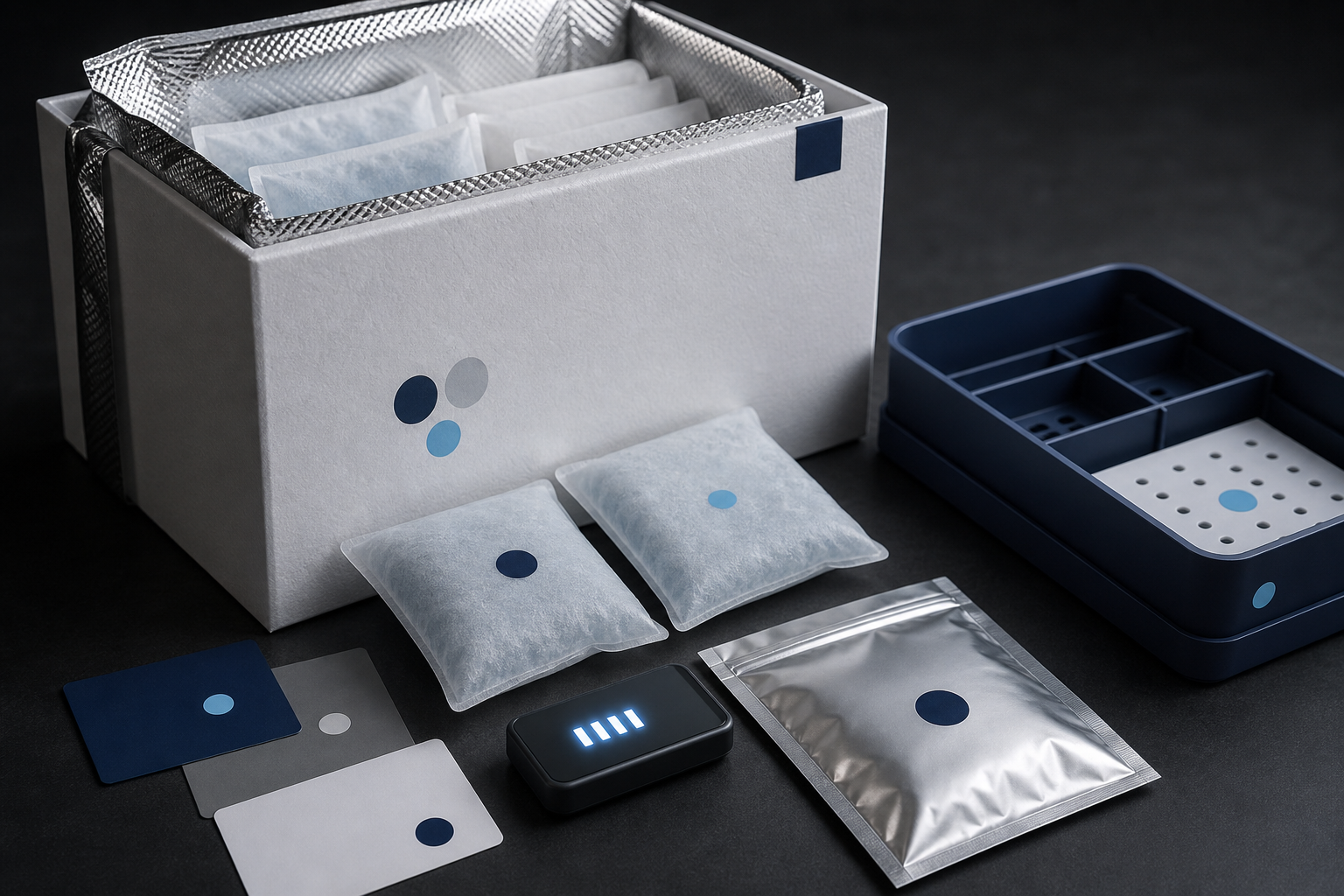
- Confirm the shipment identifier and lot documentation match the received materials.
- Record parcel condition and any obvious temperature-control concerns at intake.
- Move temperature-sensitive materials to the documented storage condition without unnecessary delay.
- Keep shipping notes, packing slips, and manufacturer documentation together for later traceability.
How this connects to lyophilized research peptides
The earlier Journal article on lyophilization explains why many research peptides are supplied as dry powder rather than solution. Removing water can reduce several degradation pathways, but it does not make a compound indifferent to heat, light, oxygen, moisture, or repeated handling. Cold-chain logistics complements lyophilization by reducing one category of environmental stress during movement.
For CRL, the practical standard is careful, documented handling: manufacturer COA when available, lot-specific records where provided, RUO labeling, cold-chain-aware packing decisions, and plain language about what those controls do and do not prove. That posture is less dramatic than broad marketing claims, but it is more useful for research buyers who need traceability and realistic documentation.
Research Use Only
This product is supplied strictly for laboratory research workflows. It is not offered for food, drug, cosmetic, veterinary, agricultural, or household use. By purchasing, the buyer represents they are a qualified researcher and accepts all responsibility for proper handling, storage, and lawful research use.