
Deletion Sequences and Process-Related Impurities in Synthetic Peptides
A research-focused explanation of how deletion sequences, truncations, side products, and analytical method limits shape peptide impurity interpretation.
Synthetic peptide documentation often reduces impurity discussion to a single purity percentage, but the chemistry behind that number is more complex. A peptide lot can contain the intended sequence, closely related sequence variants, residual salts or counterions, water, trace process materials, and analytical artifacts that depend on the method used to evaluate the sample. For research-use-only materials, understanding those categories is more useful than reading every impurity as one generic problem.
Deletion sequences are one of the clearest examples. They are sequence-related byproducts that can form when one or more amino acid coupling steps do not proceed completely during synthesis. A missing residue may produce a peptide that is chemically similar enough to travel near the intended product during purification, yet different enough to matter for identity documentation and chromatographic interpretation. The point is not that every lot has the same impurity profile. The point is that peptide synthesis creates predictable families of related species that should be interpreted through chemistry, method context, and lot-specific documentation.
How deletion sequences can form during stepwise synthesis
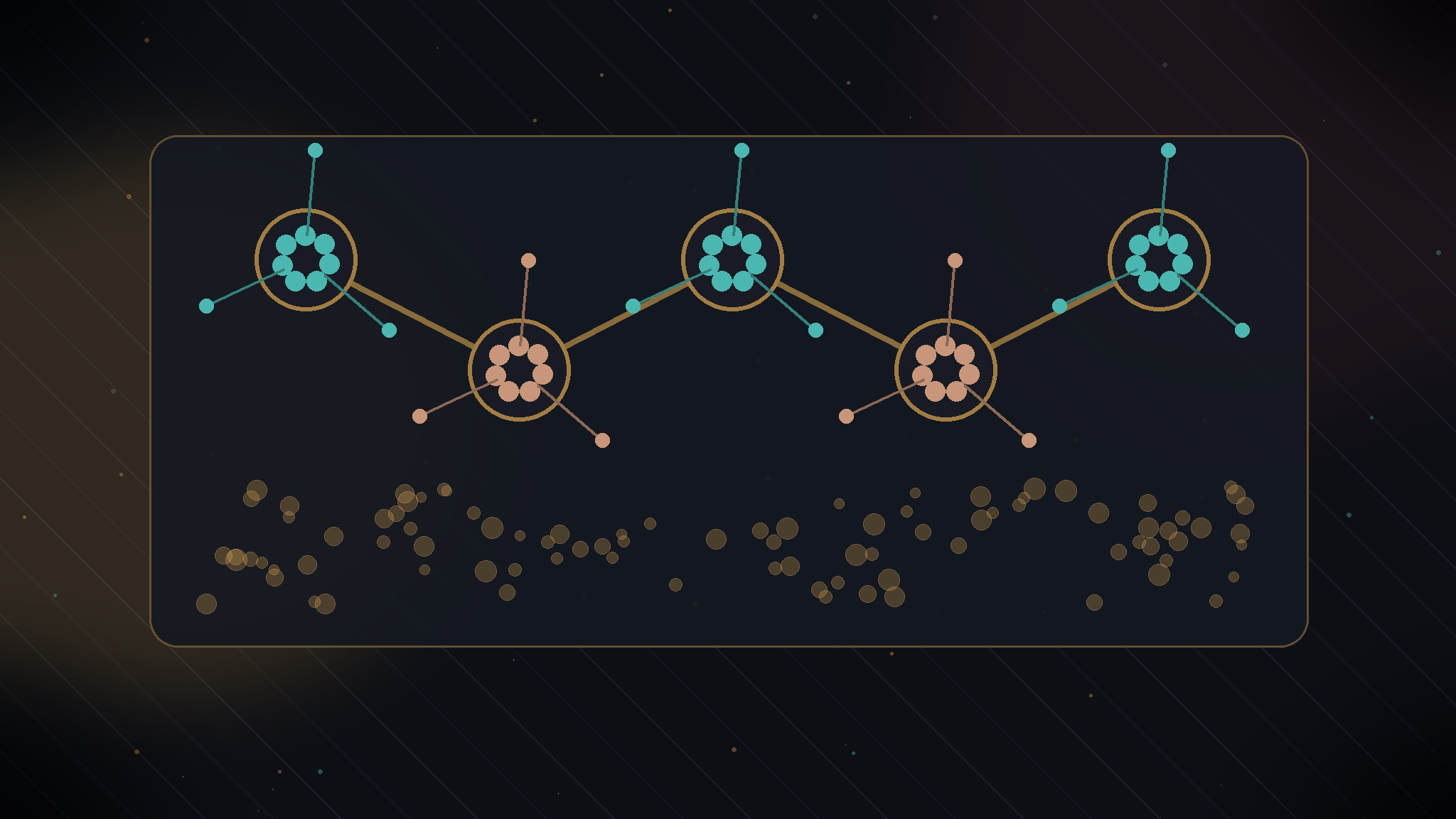
Modern solid-phase peptide synthesis builds a chain one protected amino acid at a time. Each cycle usually includes deprotection, coupling, washing, and monitoring or capping steps before the next residue is added. If a coupling step is incomplete, a fraction of growing chains may fail to receive the intended residue. Those shorter chains can continue through later cycles, creating a final molecule that resembles the target sequence except for one missing amino acid.
A single deletion is only one possibility. Depending on sequence length, steric hindrance, aggregation on resin, side-chain protection behavior, and coupling efficiency, synthesis may also produce truncations, double deletions, incomplete deprotection products, or capped sequences. These are not random in the everyday sense. They often reflect difficult residues, repeated motifs, hydrophobic stretches, secondary structure tendencies on the resin, or reaction conditions that make one part of the sequence harder to assemble cleanly.
Process-related impurities are broader than sequence variants
Sequence-related impurities are only one part of the documentation picture. Peptide manufacturing may also involve process-related residues from cleavage, purification, ion exchange, drying, and filling. Common documentation categories can include residual solvent, counterion form, water content, inorganic salts, scavenger residues, and other method-specific fields. Some are reported directly on a manufacturer Certificate of Analysis when available. Others may require a separate analytical method or may not be included in a routine release package.
This is why gross vial mass and net peptide content should not be read as the same concept. A lyophilized research material can include the target peptide plus water, salts, and counterions. Residual TFA, acetate form, or other salt-form details influence composition reporting without necessarily changing the sequence identity. CRL's related Journal entry on residual TFA explains this distinction from the counterion side; deletion sequence analysis explains it from the synthesis-byproduct side.
The supplier's job is to label documentation honestly. A manufacturer COA may support a reported purity value, identity method, and composition fields for a specific lot. It should not be stretched into a universal statement that every possible process impurity has been excluded. More complete documentation can be added over time, but each document should say what it measured, which lot it applies to, and which method produced the result.
Why HPLC and mass spectrometry answer different impurity questions
HPLC is often used to estimate chromatographic purity by separating components based on their behavior under a defined method. A chromatogram can show a dominant peak and smaller related peaks, but peak area does not automatically identify every component. Two closely related peptide species may partially co-elute. A small change in method conditions can change resolution. A peak that looks minor by one detection approach may deserve a different interpretation under another method.
Mass spectrometry supports molecular weight and identity interpretation. It can help distinguish the intended sequence from a deletion variant when the mass difference is detectable and the method captures the relevant species. But basic MS is not the same as complete sequencing, and it does not replace chromatographic separation. The strongest analytical interpretation usually comes from reading HPLC and MS together, with attention to method conditions, lot number, sample preparation, and the limitations of the report.
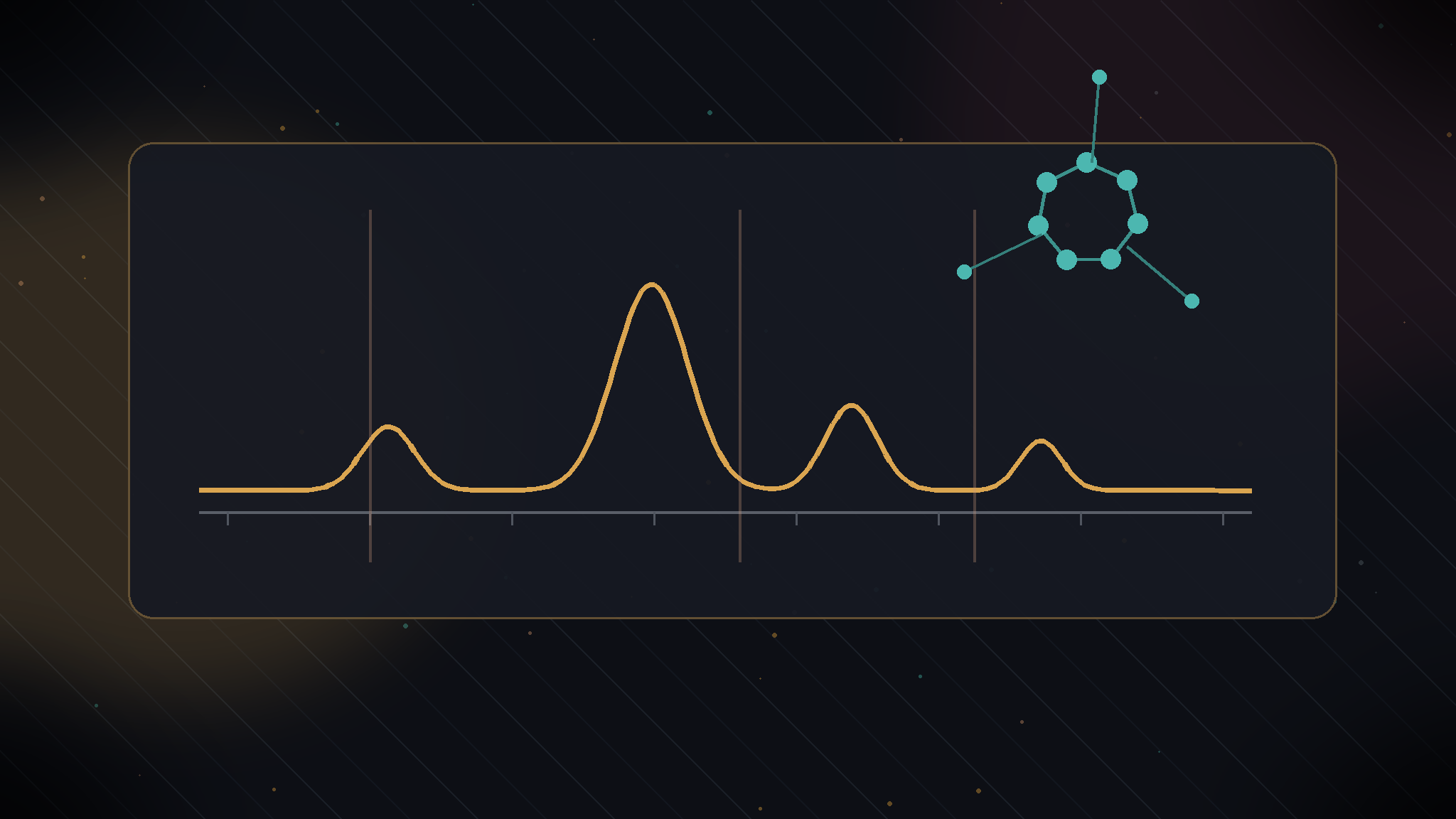
A purity percentage is a summary, not a map of every species in the vial.
How to read impurity language without overreaching
Responsible impurity language stays close to the evidence. A report can state that an HPLC method observed a main peak and related peaks under listed conditions. It can state that mass spectrometry was consistent with a target molecular weight when the report supports that conclusion. It can identify a salt form, water content, or residual solvent value if those fields were measured. It should avoid turning any one line into a broad promise about suitability, performance, or uses outside laboratory research.
For CRL, this topic connects several existing Journal pieces: Solid-Phase Peptide Synthesis: A Beginners Guide, HPLC vs. Mass Spectrometry, Understanding Residual TFA in Synthetic Peptides, How to Read a Peptide Certificate of Analysis, and Why a Certificate of Analysis Alone Is Not Enough. The common thread is documentation literacy. Each record becomes more useful when the reader can separate sequence identity, chromatographic composition, counterion content, water content, custody, and method limits.
- Deletion sequences are sequence-related byproducts that can arise from incomplete coupling during stepwise synthesis.
- Process-related impurities may include residues or composition fields from cleavage, purification, salt exchange, drying, or storage context.
- HPLC can summarize chromatographic composition, but it does not automatically identify every peak.
- Mass spectrometry can support identity interpretation, but basic molecular-weight evidence is not complete sequence confirmation.
- Lot-specific documentation should state what was measured, which method was used, and which material the result applies to.
Research Use Only
This product is supplied strictly for laboratory research workflows. It is not offered for food, drug, cosmetic, veterinary, agricultural, or household use. By purchasing, the buyer represents they are a qualified researcher and accepts all responsibility for proper handling, storage, and lawful research use.