GLP-1 / Metabolic
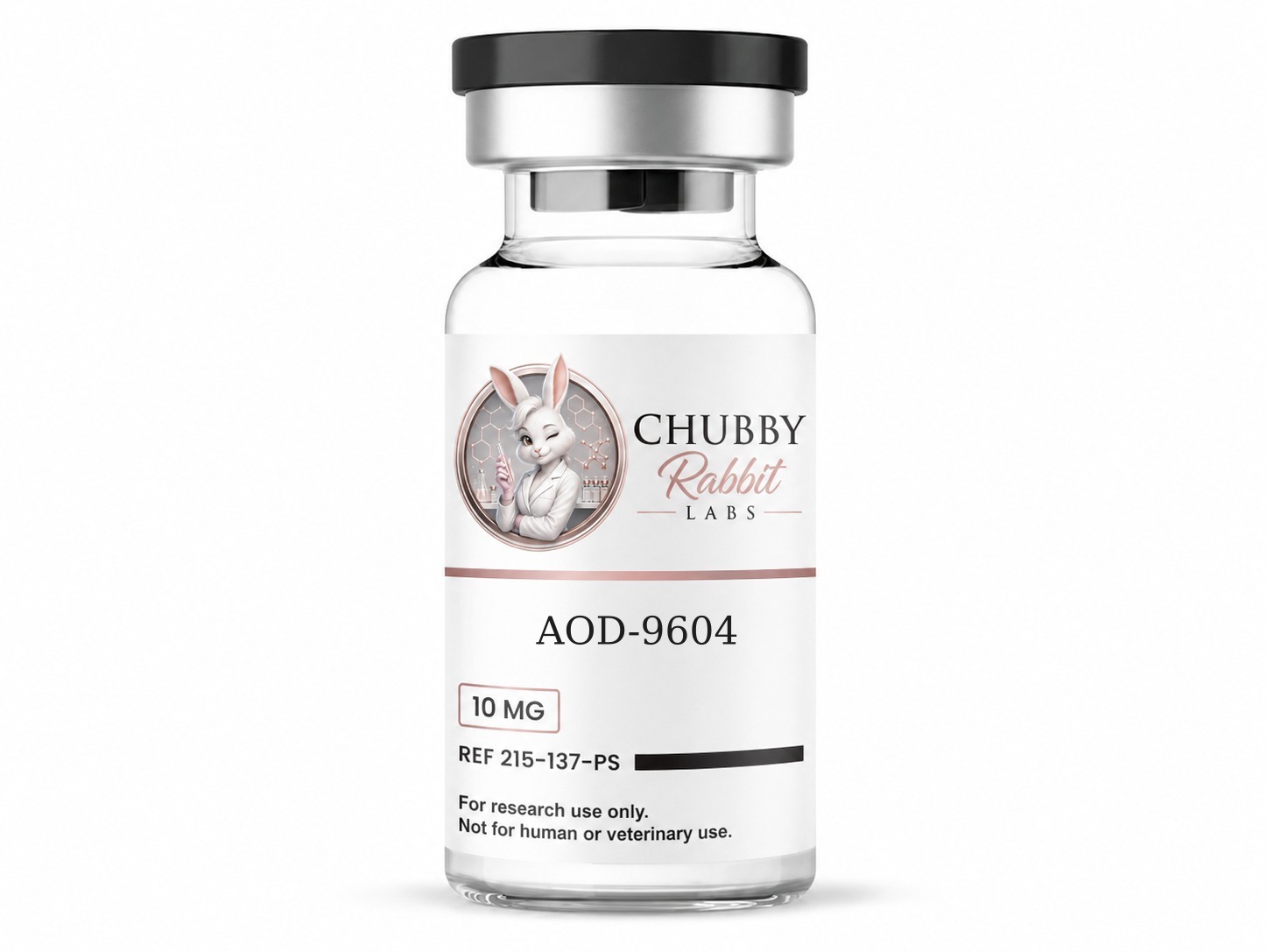
AOD-9604
From$155
1 size
Research use only
Order 3+ and save. Contact us for bulk pricing.
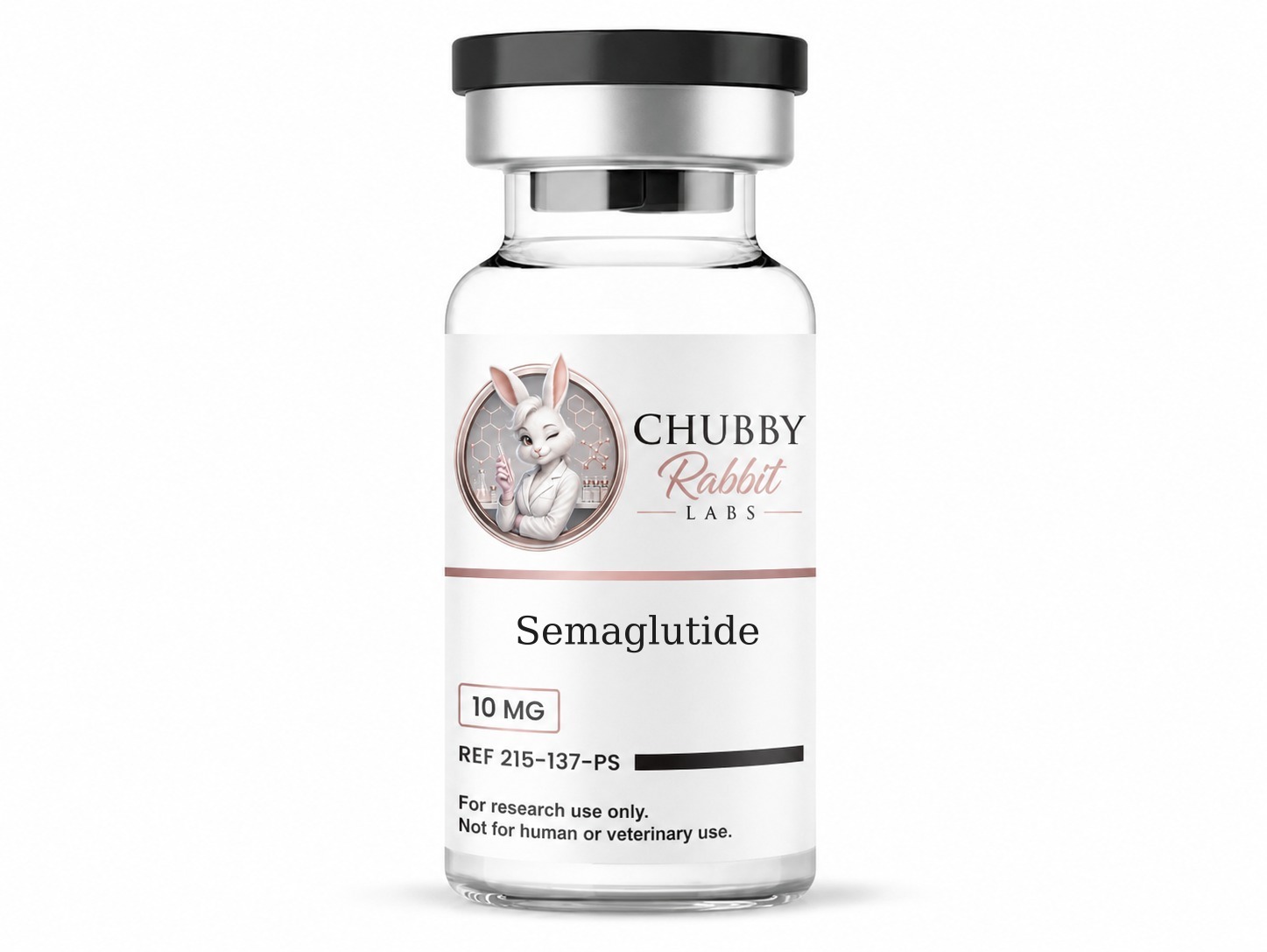
Semaglutide is a modified GLP-1 analog developed to resist DPP-4 degradation and remain in circulation for about one week. Research suggests its structure allows sustained GLP-1 receptor activation through both enzyme resistance and albumin binding. That pharmacokinetic profile made semaglutide a key compound in modern incretin research. Mechanistic studies indicate semaglutide activates GLP-1 receptors in pancreatic, gastrointestinal, and central nervous system tissues. Research suggests these effects contribute to glucose-dependent insulin release, reduced glucagon signaling, delayed gastric emptying, and lower food intake. Preclinical data also indicate involvement of hypothalamic and brainstem circuits that regulate appetite and meal size. Large clinical programs in diabetes demonstrated substantial HbA1c reduction and moderate to strong weight effects depending on dose and population. Studies indicate semaglutide also produced cardiovascular benefit signals in high-risk participants, which broadened scientific interest in GLP-1 receptor biology beyond glucose control. Obesity trials later showed much larger average weight reduction at higher doses than earlier diabetes-focused programs. Research has expanded into liver disease, cardiovascular disease, and neurodegenerative models. Animal models show reduced neuroinflammation and improved metabolic stress handling in some experimental systems, although these areas remain less mature than the obesity and diabetes data. The compound’s most notable research result is its role in establishing long-acting GLP-1 agonism as a major platform for weight and metabolic intervention. References: [1] Marso SP, Bain SC, Consoli A, et al. (2016). Semaglutide and Cardiovascular Outcomes in Patients with Type 2 Diabetes. New England Journal of Medicine. PMID: 27633186. [2] Wilding JPH, Batterham RL, Calanna S, et al. (2021). Once-Weekly Semaglutide in Adults with Overweight or Obesity. New England Journal of Medicine. PMID: 33567185. [3] Lau J, Bloch P, Schäffer L, et al. (2015). Discovery of the Once-Weekly Glucagon-Like Peptide-1 (GLP-1) Analogue Semaglutide. Journal of Medicinal Chemistry. PMID: 26308095. [4] Drucker DJ. (2018). Mechanisms of Action and Therapeutic Application of Glucagon-like Peptide-1. Cell Metabolism. PMID: 29617641. For research use only. Not for human or veterinary use.