GLP-1 / Metabolic
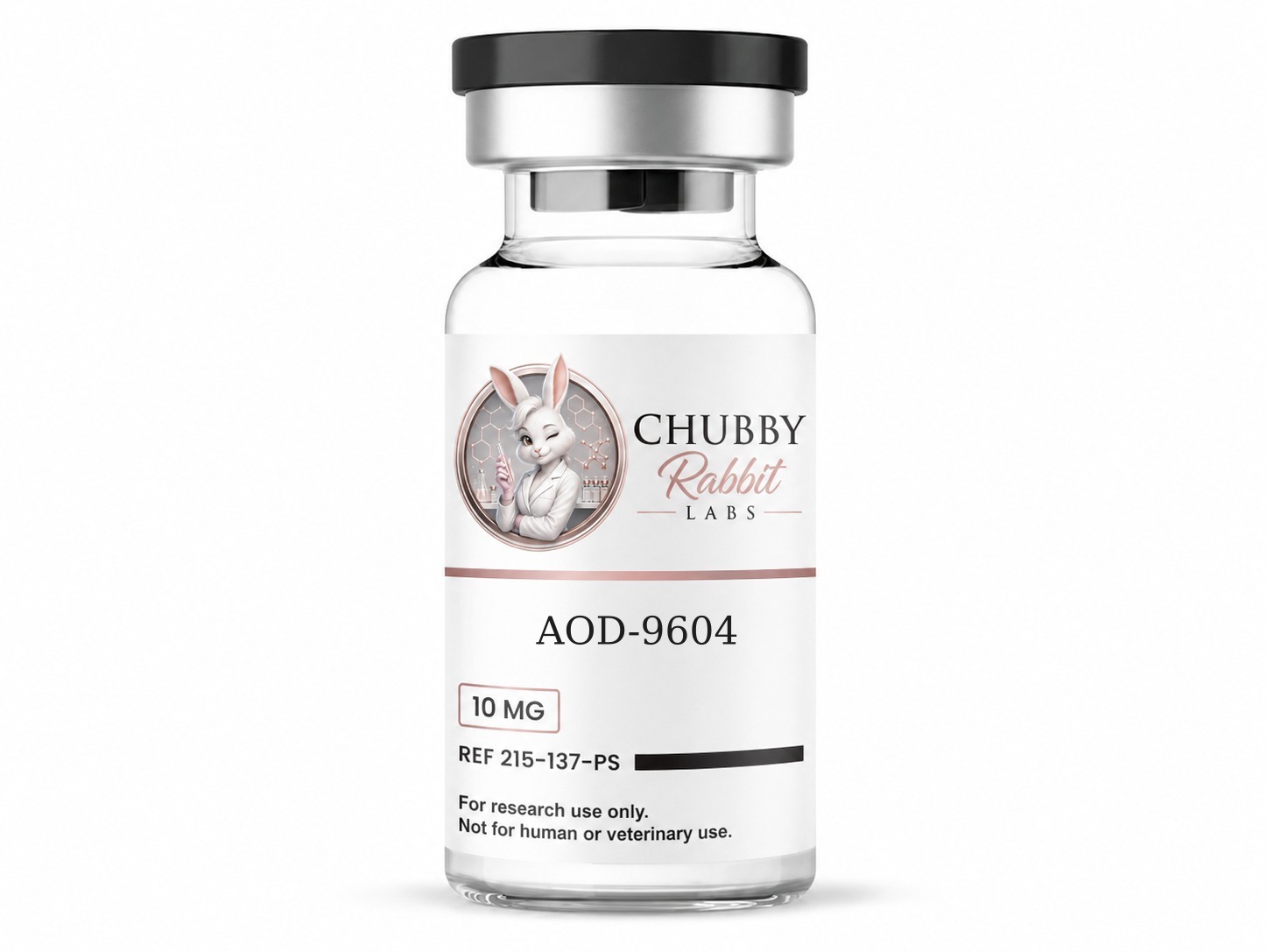
AOD-9604
From$155
1 size
Research use only
Order 3+ and save. Contact us for bulk pricing.
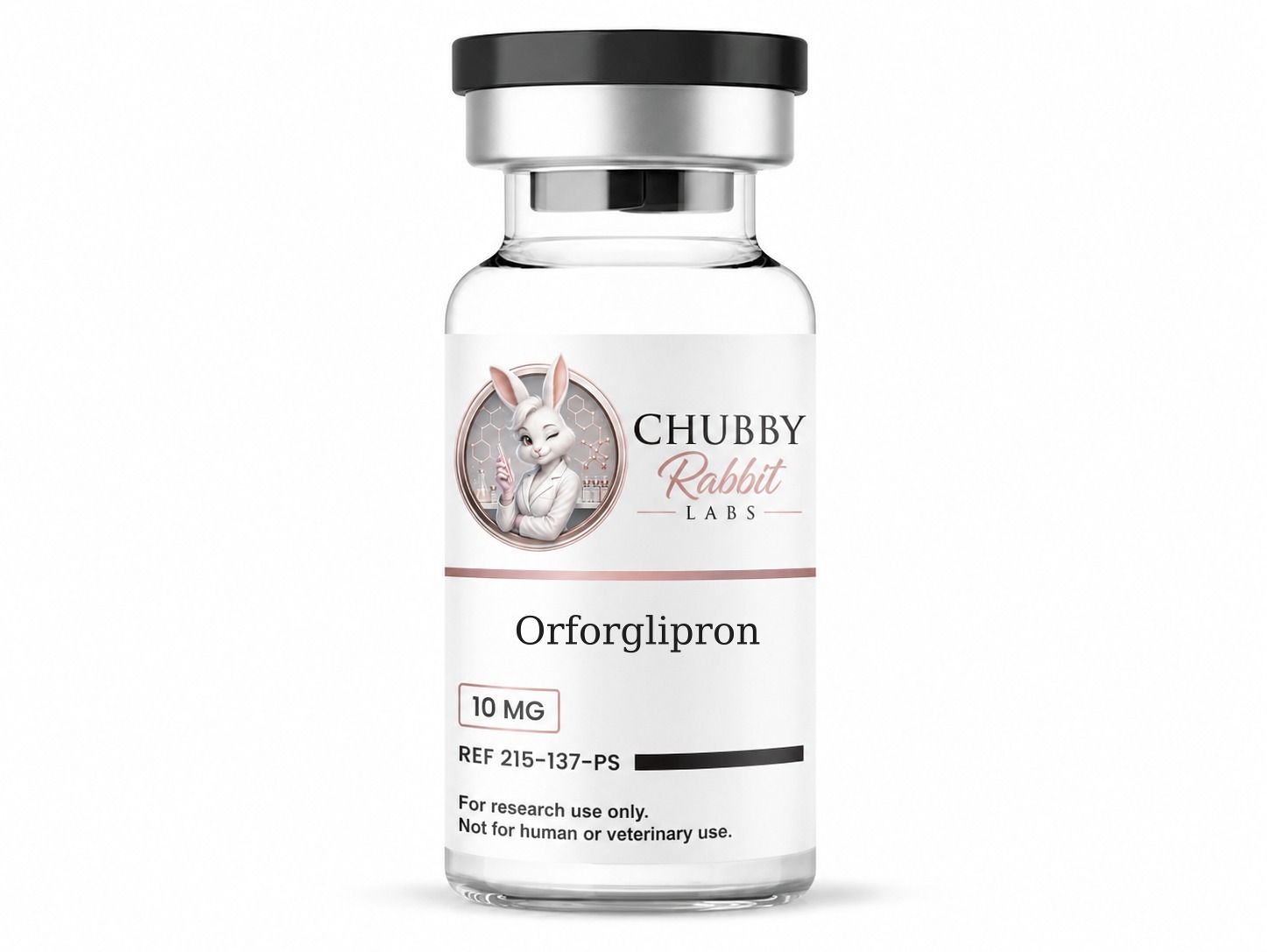
Orforglipron (LY3502970) is a non-peptide, orally bioavailable small-molecule agonist of the glucagon-like peptide-1 (GLP-1) receptor, developed by Eli Lilly and Company. Unlike approved GLP-1 receptor agonists—which are peptide-based and require subcutaneous injection—orforglipron's small-molecule structure enables gastrointestinal absorption through conventional oral dosing without special formulation requirements such as a permeation enhancer. This distinguishes it pharmacologically from oral semaglutide (Rybelsus), which relies on co-formulation with sodium N-[8-(2-hydroxybenzoyl)amino]caprylate (SNAC) to facilitate absorption, and represents a conceptually distinct approach to achieving oral GLP-1 receptor agonism. The mechanism of action of orforglipron involves binding to the transmembrane domain of the GLP-1 receptor at an allosteric site that partially overlaps with, but is distinct from, the orthosteric binding site of native GLP-1 peptide. Research indicates that orforglipron binding stabilizes an active receptor conformation that couples to Gs proteins, leading to adenylyl cyclase activation, cyclic AMP accumulation, and downstream signaling cascades mediating glucose-dependent insulin secretion from pancreatic beta cells. Studies suggest that orforglipron produces a qualitatively similar insulinotropic response to peptide GLP-1 receptor agonists, with the magnitude of insulin stimulation diminishing at lower blood glucose concentrations in a pattern consistent with glucose dependence. Phase 2 clinical trial data from adults with type 2 diabetes indicate that once-daily oral orforglipron at doses ranging from 3 mg to 45 mg produced significant and dose-dependent reductions in HbA1c over 26 weeks compared to placebo. Published data indicate HbA1c reductions across studied doses in the approximate range of 1.1–2.1 percentage points from baseline, with higher doses producing greater glycemic improvements. Research also documents clinically meaningful reductions in fasting plasma glucose and body weight across the dose range studied, with the weight loss trajectory showing dose-dependent responses consistent with central GLP-1 receptor-mediated appetite suppression. A parallel Phase 2 trial investigated orforglipron specifically for weight management in adults with obesity or overweight without diabetes over 36 weeks. Studies indicate that orforglipron at the highest doses studied produced mean weight reductions of approximately 9–15% from baseline, with dose-dependent responses observed across the studied range. Research indicates that the proportion of participants achieving clinically relevant weight loss thresholds (≥5% and ≥10% body weight reduction) was substantially higher in orforglipron-treated groups than in placebo, with the response profile broadly comparable to that observed with injectable GLP-1 receptor agonists at similar receptor engagement levels. The tolerability profile of orforglipron in clinical studies is characterized primarily by gastrointestinal adverse events including nausea, vomiting, diarrhea, and constipation, consistent with the class effects observed with approved peptide GLP-1 receptor agonists. Research indicates that the gastrointestinal event profile did not differ substantially in character from what has been observed with injectable agents in the same drug class. Studies suggest that gradual dose escalation attenuates the severity and frequency of gastrointestinal events, with most episodes rated as mild to moderate in intensity, and that these events are most prevalent during the dose titration phase of treatment. References: [1] Wharton S, Blevins T, Connery L, et al. (2023). Daily oral GLP-1 receptor agonist orforglipron for adults with obesity. New England Journal of Medicine, 389(10), 877–888. DOI: 10.1056/NEJMoa2302392 [2] Holst JJ. (2007). The physiology of glucagon-like peptide 1. Physiological Reviews, 87(4), 1409–1439. PMID: 17928588 [3] Jazayeri A, Rappas M, Brown AJH, et al. (2021). Crystal structure of the GLP-1 receptor bound to a peptide agonist. Nature, 596(7871), 278–282. PMID: 34262214 [4] Willard FS, Bueno AB, Sloop KW. (2012). Small molecule drug discovery at the glucagon-like peptide-1 receptor. Experimental Diabetes Research, 2012, 709893. PMID: 22649437 [5] Knudsen LB, Lau J. (2019). The discovery and development of liraglutide and semaglutide. Frontiers in Endocrinology, 10, 155. PMID: 30915025 For research use only. Not for human or veterinary use.