
Manufacturer COA, Supplier Test, Independent Test: Three Different Documents
Peptide documentation can come from a manufacturer, a supplier, or an independent lab; each source answers a different trust question.
Peptide documentation is often discussed as though every analytical record carries the same weight. In practice, three very different document types may appear in a research supplier's file: the manufacturer Certificate of Analysis, a supplier-arranged test, and an independent test. Each can be useful, but each answers a different question about the material and the chain of custody behind it.
The distinction matters because a document is not only a list of analytical values. It is also a record of who selected the sample, who handled it, who performed the method, and how directly the result can be tied to a specific lot. A single page showing HPLC purity and mass confirmation may be informative, but it does not automatically establish the same level of independence as a sealed sample sent to a separate laboratory under a documented custody process.
The manufacturer COA: origin documentation
A manufacturer Certificate of Analysis is the first technical record most research peptide lots should have. It is issued by the facility or manufacturing partner responsible for producing the batch. A useful manufacturer COA identifies the compound, lot number, manufacturing date or analysis date, stated purity method, observed mass, theoretical mass, net peptide content where measured, and any method notes needed to interpret the result.
The strength of a manufacturer COA is proximity to production. The manufacturer has access to batch records, raw analytical traces, and process context that may not be visible to a downstream supplier. When the COA includes a matching lot number and underlying chromatogram or spectrum, it creates a baseline record for the material entering the supply chain.
The limit is independence. A manufacturer COA is still a document produced inside the commercial chain that created the material. It can be accurate, incomplete, or in weak supply chains, copied or altered. That is why CRL reads manufacturer COAs as important origin records, not as final proof of every quality question a researcher may ask.
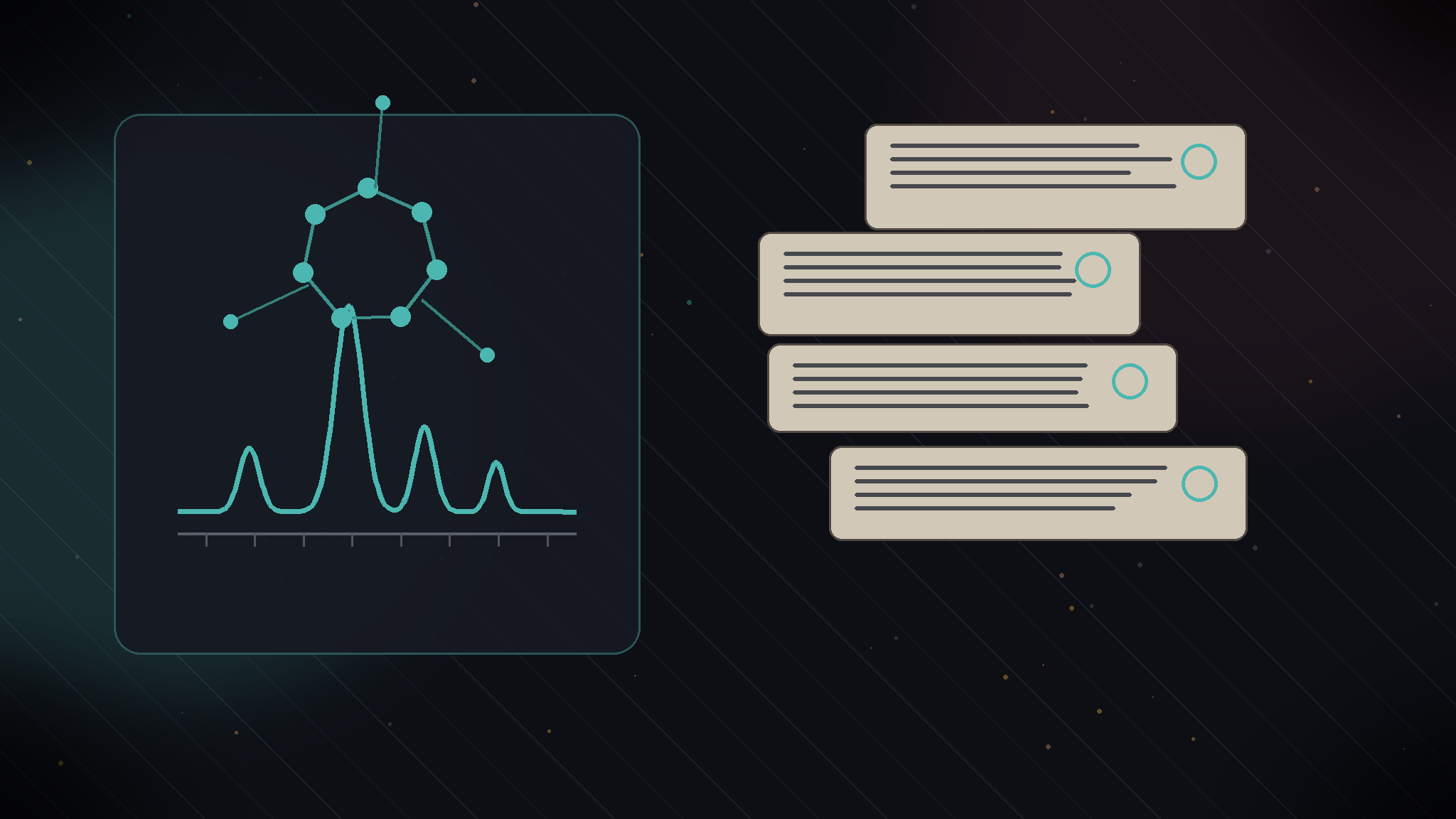
The supplier test: additional review by the seller
A supplier test is an analytical review arranged by the company selling the research material. The supplier may select a sample from inventory, send it to an analytical service, and receive an HPLC trace, mass result, endotoxin screen, residual solvent result, or other method-specific report. This can add a useful second layer of review, especially when the supplier publishes the method, date, lot number, and sample-handling details.
Supplier testing is not automatically the same thing as independent verification. If the supplier selects the sample, pays for the analysis, controls the packaging, and decides which results are published, the document still sits inside the seller's quality system. That does not make it useless. It means the reader should understand the role it plays: a seller-arranged check that can strengthen documentation when its process is transparent.
The most useful supplier test records are specific rather than promotional. They identify the lot, explain whether the tested sample came from sale inventory or a retained sample, include the analytical method, and preserve the raw trace or report rather than only a summary value. They also show failed or marginal results through a defined hold, retest, or stop-sale process. Selective publication of only favorable reports weakens confidence even when the individual documents look polished.
The independent test: separation from the commercial chain
An independent test is most valuable when the testing laboratory and sample custody process are separated from the manufacturer and seller. In a strong model, a sealed sample is selected from the same lot offered for research sale, assigned a custody record, shipped to a qualified analytical lab, and reported with enough method detail to connect the result back to the lot without relying only on supplier assertions.
Independence is not just the lab's name on the report. It depends on sample selection and custody. A report from a respected lab can still answer a narrow question if the sample origin is unclear. Conversely, a modest method-specific report can be useful when the custody record is clean and the scope is stated plainly. The right question is not simply whether a document looks official, but whether the path from lot to report is visible.
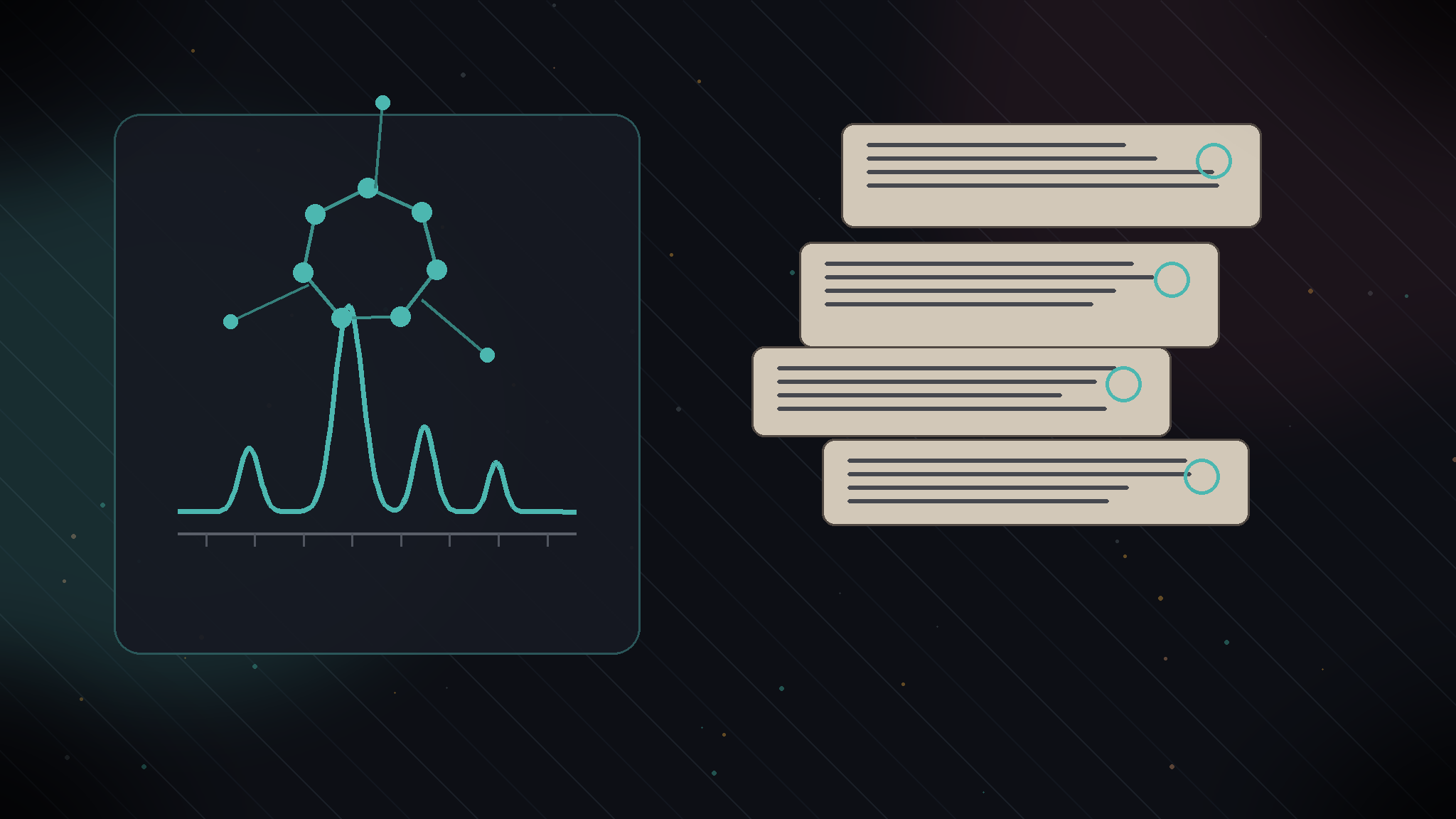
The document tells you the result. The custody record tells you how much confidence to place in where that result came from.
How to read the three together
The strongest documentation stack usually starts with a manufacturer COA, adds supplier-side review where appropriate, and then uses independent testing to answer defined questions about selected lots. These records should agree in broad terms, but they do not need to be identical documents. HPLC method conditions, detection settings, sample preparation, integration choices, and instrument calibration can produce different-looking traces while still describing the same lot within method limits.
A careful reader should look for alignment across five fields: compound identity, lot number, analysis date, method type, and reported result. If a manufacturer COA names one lot and a supplier test names another, the documents do not support each other. If the report lists a purity figure without the method or trace, the value is harder to audit. If a supplier describes future independent testing as though it has already happened, the documentation language has moved ahead of the evidence.
- Manufacturer COA: best read as the origin record attached to production.
- Supplier test: best read as a seller-arranged quality-system check.
- Independent test: best read as an outside analytical result, strongest with clean custody records.
- All three are more useful when they include lot identifiers, method details, dates, and raw analytical traces.
CRL's Journal has already covered why a COA alone is not enough and how HPLC and mass spectrometry answer different documentation questions. This article sits between those topics: it explains why source, custody, and publication policy matter just as much as the values printed on a report. Future Journal entries will cover chain of custody, lot numbers, and what CRL will publish as independent testing workflows come online.
CRL materials are supplied strictly for laboratory research workflows. Product documentation should be reviewed by lot, method, source, and stated analytical scope. For qualified researchers only.
Research Use Only
This product is supplied strictly for laboratory research workflows. It is not offered for food, drug, cosmetic, veterinary, agricultural, or household use. By purchasing, the buyer represents they are a qualified researcher and accepts all responsibility for proper handling, storage, and lawful research use.