Products/5-Amino-1MQ
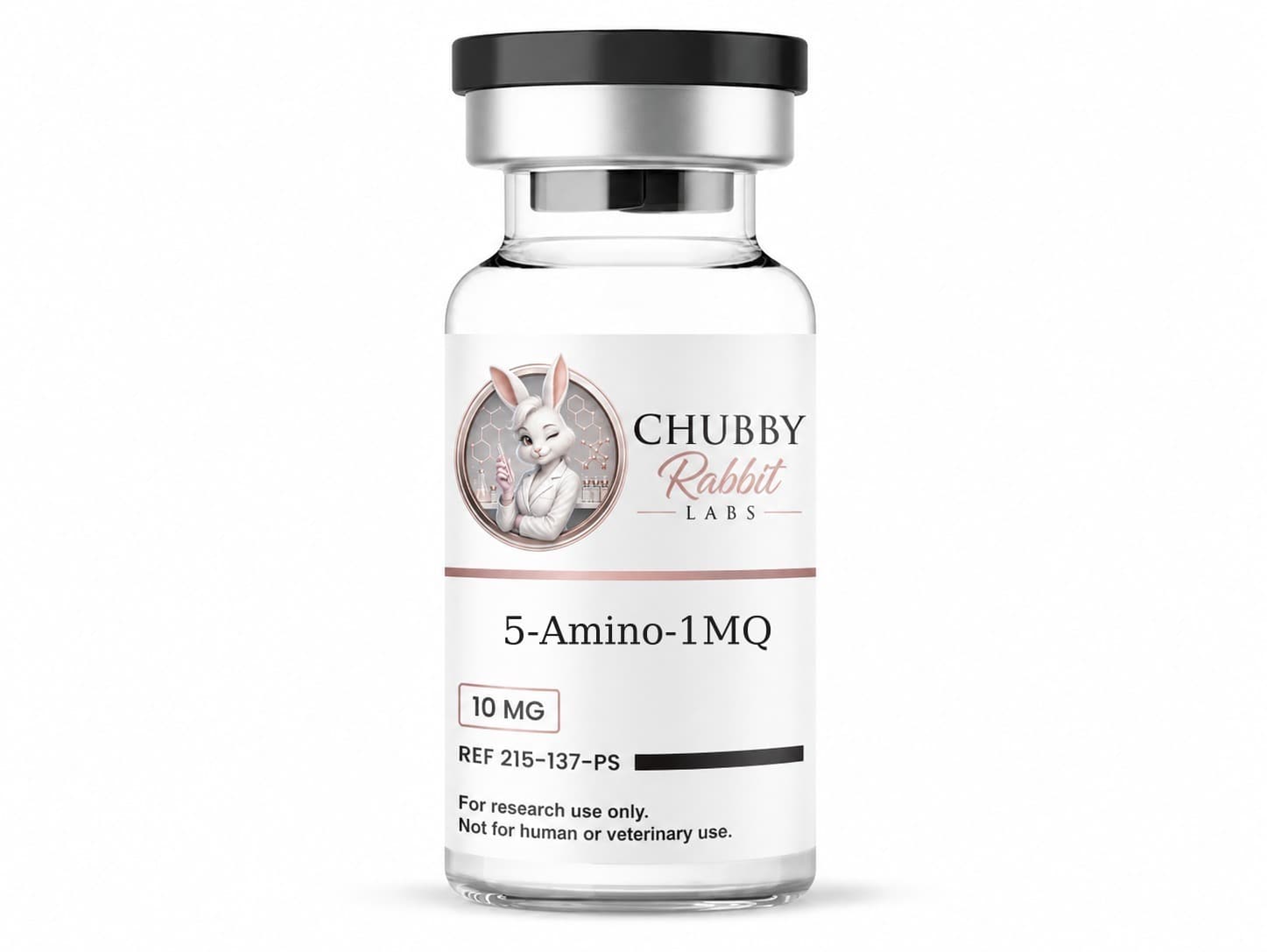
5-Amino-1MQ vial
Longevity & Cellular

5-Amino-1MQ

Research use only

From
$180
Select size

Order 3+ and save. Contact us for bulk pricing.

Research Overview

5-amino-1-methylquinolinium (5-amino-1MQ) is a small-molecule inhibitor of nicotinamide N-methyltransferase (NNMT), an enzyme that catalyzes the transfer of a methyl group from S-adenosyl methionine (SAM) to nicotinamide, producing 1-methylnicotinamide (MNA) and S-adenosyl homocysteine (SAH). NNMT is highly expressed in adipose tissue and liver, where its activity influences both NAD+ metabolic flux and the cellular methylation potential. By competitively blocking NNMT's substrate-binding site, 5-amino-1MQ is hypothesized to shift metabolic flux in ways that modulate adipogenesis, energy expenditure, and epigenetic state in metabolically relevant tissues. The biochemical mechanism of 5-amino-1MQ centers on reducing NNMT-mediated consumption of nicotinamide, thereby increasing the availability of this NAD+ precursor for the salvage biosynthesis pathway. Inhibition of NNMT also preserves SAM levels and reduces SAH accumulation, improving the SAM-to-SAH ratio—a key determinant of cellular methylation capacity for histone methyltransferases and DNA methyltransferases. Research suggests that these combined effects on NAD+ availability and methylation status create an epigenetic and metabolic environment less permissive to adipocyte differentiation and lipid storage. Preclinical studies using 5-amino-1MQ and structurally related NNMT inhibitors in diet-induced obesity mouse models have examined effects on body weight and adiposity. Animal models treated with selective NNMT inhibitors show statistically significant reductions in body weight gain, fat mass, and adipocyte hypertrophy compared to vehicle controls on high-fat feeding protocols. Research indicates that these effects occur without significant changes in caloric intake in some experimental designs, suggesting a primary contribution from altered energy expenditure rather than appetite suppression, though this observation is not consistent across all studies. Studies examining cellular effects of NNMT inhibition indicate that 5-amino-1MQ treatment alters the transcriptional profile of adipose progenitor cells in ways consistent with reduced adipogenic differentiation capacity. Research suggests that NNMT inhibition-mediated elevation of the SAM-to-SAH ratio facilitates increased methylation of histones at loci associated with pro-adipogenic transcription factor genes. Animal models show reductions in PPARγ and C/EBPα expression—master adipogenic transcription factors—in white adipose tissue following NNMT inhibitor treatment, providing a plausible epigenetic mechanism for the observed reduction in fat mass. Additional preclinical data suggest that NNMT inhibition by 5-amino-1MQ may influence skeletal muscle metabolism and regenerative capacity. Studies in aged mouse models indicate that NNMT inhibition activates muscle satellite cells and improves regenerative capacity following injury, potentially through restoration of NAD+-dependent sirtuin signaling and improved mitochondrial function in muscle progenitors. Research also indicates effects on systemic insulin sensitivity in several model systems, with treated animals showing improved glucose tolerance and reduced hepatic lipid accumulation, though the relative contributions of direct tissue effects versus secondary consequences of fat mass reduction remain under investigation. References: [1] Neelakantan H, Vance V, Wetzel MD, et al. (2018). Selective and membrane-permeable small molecule inhibitors of nicotinamide N-methyltransferase reverse high fat diet-induced obesity in mice. Biochemical Pharmacology, 147, 141–152. DOI: 10.1016/j.bcp.2017.11.007 [2] Kraus D, Yang Q, Kong D, et al. (2014). Nicotinamide N-methyltransferase knockdown protects against diet-induced obesity. Nature, 508(7495), 258–262. PMID: 24717514 [3] Kannt A, Pfenninger A, Teichert L, et al. (2015). Association of nicotinamide-N-methyltransferase mRNA expression in human adipose tissue and the plasma concentration of its product, 1-methylnicotinamide, with insulin resistance. Diabetologia, 58(4), 799–808. PMID: 25576472 [4] Eckert MA, Coscia F, Chryplewicz A, et al. (2019). Proteomics reveals NNMT as a master metabolic regulator of cancer-associated fibroblasts. Nature, 569(7758), 723–728. PMID: 31043742 [5] Brachs S, Lossner U, Soll J, et al. (2019). Nicotinamide N-methyltransferase (NNMT) inhibition reduces hepatic lipid accumulation and improves liver enzyme levels in diet-induced obese mice. Molecular Metabolism, 29, 272–283. PMID: 31668389 For research use only. Not for human or veterinary use.